

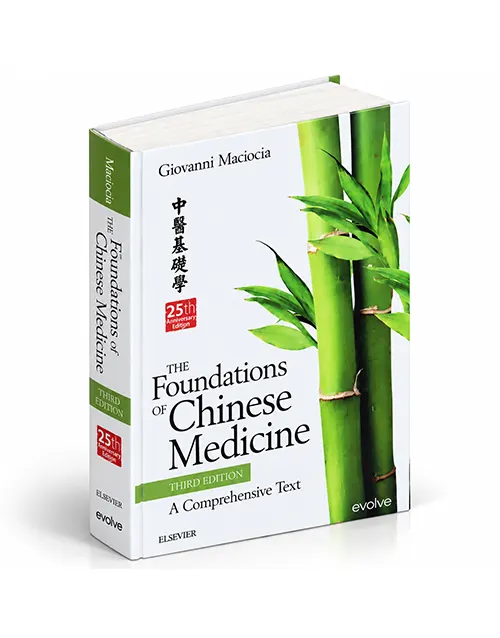


The Foundations of Chinese Medicine: A Comprehensive Text, Third Edition
The Foundations of Chinese Medicine, 3rd Edition by Giovanni Maciocia is a comprehensive textbook introducing the theory, diagnostic principles, and treatment concepts of traditional Chinese medicine (TCM). Published by Elsevier under the Churchill Livingstone imprint, this 25th Anniversary Edition presents a structured introduction to Chinese medical theory and its application in acupuncture and Chinese herbal medicine.
The book explores traditional Chinese medical concepts through a detailed, systematic approach, drawing on classical Chinese medical sources and contemporary textbooks. It is designed for students and practitioners who want to understand the terminology, theoretical framework, diagnostic approaches, and principles used within this medical tradition.
Explore Yin–Yang and the Five Elements
Yin–Yang theory and the Five Elements are foundational concepts in traditional Chinese medicine. The textbook introduces these ideas and examines how they are used to describe relationships and patterns within the traditional Chinese medical framework.
Readers can develop familiarity with the terminology and theoretical relationships that underpin later topics in diagnosis and treatment. These concepts provide a basis for studying the functions of the internal organs, the movement of Qi, and traditional approaches to understanding health and illness.
Understand Qi and the Vital Substances
The book explores traditional Chinese medicine concepts involving Qi, Blood, Body Fluids, and other vital substances. It discusses their characteristics, functions, and relationships within the theoretical model of Chinese medicine.
These subjects help readers understand the terminology used in TCM texts and how traditional explanations connect different bodily functions. The explanations provide context for later chapters on diagnostic patterns, pathology, and treatment principles.
Study the Functions of Internal Organs
The Foundations of Chinese Medicine includes detailed discussions of the traditional functions of the Heart, Liver, Lungs, Spleen, Kidneys, Pericardium, Stomach, and other internal organs. It also explores the interrelationships between these systems within the Chinese medicine framework.
This approach helps readers study organ functions as part of a connected theoretical model rather than as isolated topics. The material is particularly relevant to students learning traditional Chinese medicine terminology and preparing to study diagnostic patterns and treatment concepts.
Learn Traditional Chinese Medicine Diagnostic Methods
Diagnosis is an important part of the book’s structure. The text covers diagnosis by observation, interrogation, palpation, and hearing and smelling, introducing the traditional methods used to collect and interpret information about a person’s condition.
Readers can explore how observations and reported symptoms are considered within the TCM diagnostic framework. These chapters provide a foundation for understanding how practitioners classify patterns and relate them to traditional treatment principles.
Understand Pathology and Pattern Identification
The book examines traditional Chinese medicine concepts involving pathology, imbalances, and patterns of disharmony. It includes approaches such as identification of patterns according to the Eight Principles, Qi–Blood–Body Fluids, pathogenic factors, the Six Stages, the Four Levels, the Three Burners, the 12 Channels, and the Five Elements.
This detailed organization helps students become familiar with the different classification systems used in Chinese medicine theory. It also provides a framework for understanding the terminology used in traditional diagnostic texts and clinical education.
Explore Acupuncture Channels and Points
Acupuncture theory is another major component of the textbook. It introduces the Eight Extraordinary Vessels, the main acupuncture channels, extra points, and the functions of specific categories of acupuncture points.
Readers can study how the channels and points are described within the traditional Chinese medicine framework and how this material relates to broader principles of diagnosis and treatment. The book provides systematic coverage suitable for learners progressing through acupuncture theory and clinical education.
Study Treatment Principles and Point Combinations
The textbook addresses principles of treatment and the combination of acupuncture points. These chapters explain the traditional concepts used to organize treatment approaches within Chinese medicine and show how the theoretical material connects with the selection and combination of points.
Case studies and case histories help illustrate how the book’s concepts are applied in traditional Chinese medicine contexts. The material is intended to support study and professional learning; it does not replace appropriate clinical training or individualized healthcare assessment.
Learning Resources and Reference Materials
The third edition includes over 750 line drawings and more than 1,000 tables and boxes, along with chapter learning outcomes, case histories, and a glossary. The publisher also describes an accompanying Evolve website with more than 650 self-testing questions and answers for reviewing key concepts.
The text includes Pinyin equivalents for Chinese terminology, helping readers identify the original terms underlying English translations. Appendices provide additional reference material, including prescriptions, a bibliography, and a Chinese chronology.
Availability of digital study resources may depend on the edition purchased and whether any accompanying access code remains valid or unused.
Who Should Read The Foundations of Chinese Medicine?
The Foundations of Chinese Medicine, Third Edition is intended for students of traditional Chinese medicine, acupuncture, and Chinese herbal medicine, as well as qualified practitioners seeking a detailed reference. It may also be useful in complementary medicine education programs and professional reference collections.
Its organized structure progresses from fundamental theory to organ functions, diagnosis, pathology, pattern recognition, acupuncture channels, and principles of treatment. This makes it suitable for structured study and for reviewing specific topics within traditional Chinese medicine.
Why Choose the Third Edition?
- Comprehensive theory: Covers Yin–Yang, the Five Elements, Qi, vital substances, and internal organ functions.
- Diagnostic framework: Introduces observation, interrogation, palpation, and traditional pattern identification.
- Acupuncture coverage: Explores channels, points, the Eight Extraordinary Vessels, and treatment principles.
- Extensive reference material: Includes illustrations, tables, case histories, and a detailed glossary.
- Traditional terminology: Uses Pinyin equivalents to clarify Chinese medical terminology.
- Study support: Includes chapter learning outcomes and publisher-described self-testing resources.
About the Book
Title: The Foundations of Chinese Medicine: A Comprehensive Text
Edition: Third Edition – 25th Anniversary Edition
Author: Giovanni Maciocia
Publisher: Elsevier, Churchill Livingstone imprint
Publication Year: 2015
ISBN-13: 9780702052163
Format: Hardcover
For students and practitioners seeking a detailed reference on traditional Chinese medicine theory, diagnosis, acupuncture, and treatment principles, The Foundations of Chinese Medicine offers a systematic introduction to the subject and extensive resources for continued study.
Educational note: This book describes traditional Chinese medicine concepts and practices. It should not be treated as a replacement for evidence-based medical assessment or appropriate professional healthcare.
There are no reviews yet.