



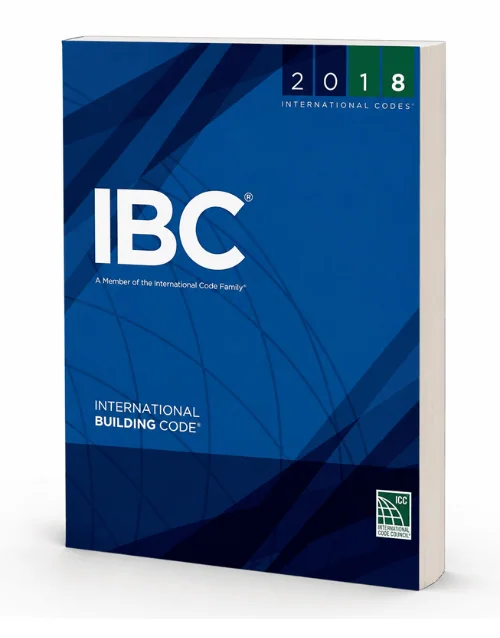










Building design involves coordinating structural systems, fire protection, accessibility, exits, and essential building services. The International Building Code (IBC) 2018 edition brings together provisions addressing these areas in a single reference published by the International Code Council (ICC). Identified by ISBN 9781609837358, this edition is intended for professionals and students who need to consult building code requirements for construction projects, plan reviews, technical research, or code-related education.
A major focus of the 2018 International Building Code is how buildings are classified and how their design and construction are evaluated according to occupancy, size, construction type, and intended use. Its provisions address occupancy classifications, building heights and areas, fire-resistance-rated construction, fire protection systems, and means of egress. These subjects help readers examine how different building characteristics affect the requirements applicable to a proposed design. Architects, engineers, and plan reviewers can use the Code to locate relevant provisions while evaluating drawings and researching building design decisions.
Structural safety is another important part of the publication. The Code addresses structural design considerations, including loads and the performance of building elements under applicable design conditions. It also contains provisions concerning foundations, exterior walls, roof assemblies, interior finishes, and other components involved in building construction. By bringing these subjects together, the IBC provides a framework for examining the relationship between a building’s structural design, its intended occupancy, and the protections required by the applicable provisions.
Fire and life safety requirements receive substantial attention throughout the 2018 edition. Readers can consult provisions concerning fire protection features, fire and smoke protection, emergency escape and exit arrangements, and accessibility. The Code also addresses interior environments, energy-related provisions, and special requirements for particular building uses. Its organization allows users to move between general building requirements and provisions relevant to specific occupancies or construction conditions. Referenced standards further connect the Code with technical documents used in building design and construction.
The 2018 International Building Code is relevant to architects, structural engineers, general contractors, building officials, inspectors, fire protection professionals, and commercial construction teams. Students and instructors may also use this edition to study building classification, construction terminology, life safety principles, and the organization of model building codes. For professionals working with existing project documentation, it can serve as a reference when a project specifically requires the 2018 edition rather than a later publication.
Choosing the correct edition matters because code provisions and referenced standards can change between publication cycles. The International Building Code is a model code, and its applicability depends on adoption by the relevant jurisdiction, including any local amendments. Buyers should verify the edition required for their project before ordering or relying on particular provisions.
For anyone seeking the IBC 2018 building code book, this ICC publication provides a consolidated reference for researching building construction, structural provisions, occupancy requirements, fire protection, accessibility, and means of egress. ISBN 9781609837358 identifies the specific edition, helping buyers distinguish it from other IBC publications when selecting a reference for professional work, study, or technical documentation.
There are no reviews yet.