



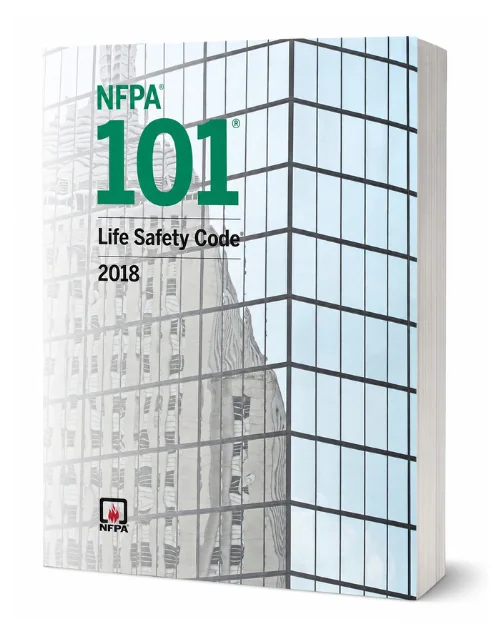










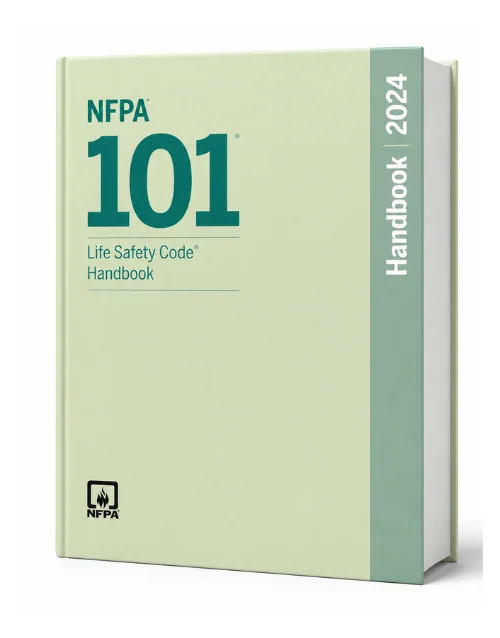
The NFPA 101 Life Safety Code 2018 Edition book provides a detailed reference for professionals involved in building safety, fire protection, occupant protection, and emergency planning. Published by the National Fire Protection Association (NFPA), this edition addresses life safety considerations in both new and existing buildings. Identified by ISBN 9781455916832, it is a valuable resource for architects, engineers, facility managers, fire safety professionals, building inspectors, and code officials who need to understand the provisions of NFPA 101.
The National Fire Protection Association NFPA 101 Life Safety Code establishes an occupancy-based approach to protecting people from fire and related hazards. Its provisions address how building construction, occupancy characteristics, means of egress, and fire protection features contribute to occupant safety. By organizing requirements around different building uses, the Code helps readers identify the chapters and provisions relevant to particular facilities and their intended occupancy classifications.
A major feature of the 2018 edition is its expanded scope beyond traditional fire-related emergencies. The Code includes additional considerations for hazardous materials incidents, emergency communications, and injuries resulting from falls. Other notable changes address carbon monoxide detection in specified occupancies, door-locking arrangements in certain educational and residential care settings, sprinkler protection in new educational occupancies, and smoke compartment provisions for healthcare facilities. These subjects make the 2018 edition relevant to professionals reviewing building safety provisions and examining changes introduced since the 2015 edition.
The NFPA 101 Life Safety Code 2018 Edition covers important topics such as means of egress, emergency lighting, fire alarm systems, sprinkler protection, smoke barriers, and safeguards for different occupancy types. Its occupancy-specific chapters address settings such as assembly venues, educational facilities, healthcare buildings, hotels, dormitories, apartments, business premises, and industrial facilities. This structure allows readers to connect general life safety principles with requirements associated with particular building environments.
Architects and design professionals can consult the Code when evaluating building layouts and occupant movement. Fire protection engineers and safety consultants can use it as a reference when reviewing fire protection features and life safety provisions. Facility managers, inspectors, and building owners can also refer to its requirements when assessing existing buildings, planning improvements, or preparing for discussions with authorities having jurisdiction. Students and instructors may find the publication useful for studying occupancy classifications, egress arrangements, and the relationship between building design and occupant protection.
For buyers seeking the NFPA 101 Life Safety Code 2018 Edition book, this publication offers a consolidated reference to the requirements and organizational framework established in the 2018 edition. It is particularly relevant for research, education, historical code reviews, and projects that specifically require this edition. Applicable requirements can vary by jurisdiction, adopted code edition, and local amendments, so users should verify which edition governs their project before relying on its provisions. This book provides a focused reference for understanding life safety requirements across a wide range of building occupancies.
There are no reviews yet.