



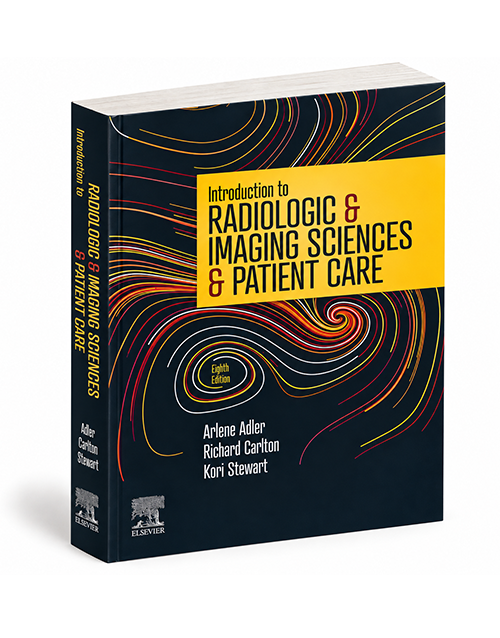







Learning radiologic technology involves understanding both medical imaging and the responsibilities that come with caring for patients. Introduction to Radiologic, Imaging Sciences & Patient Care 8th Edition brings these two areas together in a textbook for students preparing to work in radiography and related imaging fields. Written by Arlene M. Adler, Richard R. Carlton, and Kori L. Stewart, this Saunders publication connects the foundations of imaging science with the practical knowledge needed in clinical environments. The paperback edition is identified by ISBN 9780323872201 and contains 448 pages.
The book begins by introducing the radiologic and imaging sciences profession, including professional development, educational strategies, critical thinking, and problem-solving. It then moves into the clinical environment, examining radiographic imaging, medical imaging equipment, radiation protection, radiobiology, and the experience of clinical education. These subjects help students understand how technical knowledge fits into the broader responsibilities of a medical imaging professional, from preparing for clinical placements to developing sound working practices.
Patient care receives substantial attention throughout the text. Topics include patient communication, history taking, biomechanics, ergonomics, and immobilization techniques. Readers also study vital signs, oxygen administration, chest tubes and lines, electrocardiography, infection control, aseptic procedures, and responses to medical emergencies. This combination of subjects addresses the practical situations imaging professionals may encounter while positioning patients, assisting with examinations, and working alongside other healthcare personnel. Step-by-step procedural guidance helps make clinical concepts easier to follow and review.
Pharmacology and medication-related procedures form another important part of the curriculum. The book introduces drug administration, contrast media, and radiopharmaceuticals, connecting these subjects with the wider responsibilities involved in diagnostic imaging. Its coverage of professional ethics, medical law, health informatics, and information management also explores the nontechnical aspects of practice. Understanding patient information, professional conduct, and ethical responsibilities is important for students learning how imaging services operate within healthcare settings.
Visual learning and structured review are additional features of this eighth edition. More than 300 photographs and line drawings illustrate imaging and patient-care concepts, while chapter objectives, key terms, outlines, and summaries help organize study sessions. Review questions encourage learners to revisit important material, and student laboratory activities provide opportunities to reinforce concepts through practical exercises. The book is particularly relevant to radiography students and educational programs that teach imaging science alongside foundational patient-care skills.
For students building a foundation in diagnostic imaging, Introduction to Radiologic & Imaging Sciences & Patient Care, 8th Edition (9780323872201) offers a broad introduction to the profession, clinical procedures, radiation protection, and patient interaction. It can support classroom learning, examination review, laboratory preparation, and reference during radiologic technology training. If you are purchasing this textbook for a course or personal study, check the edition and ISBN to ensure you receive the intended publication. This edition brings essential imaging-science concepts and patient-care principles together in one educational resource for aspiring medical imaging professionals.
There are no reviews yet.