









Molecular Biology of the Cell, Seventh Edition – Volume 1
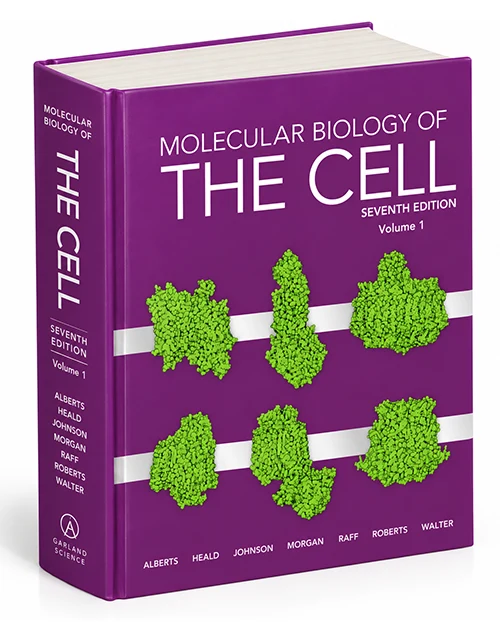
Molecular Biology of the Cell, 7th Edition, Volume 1 is an advanced educational resource for understanding the molecular and cellular foundations of life. Written by Bruce Alberts, Rebecca Heald, Alexander Johnson, David Morgan, Martin Raff, Keith Roberts, and Peter Walter, this textbook presents essential concepts in cell biology through detailed explanations, scientific illustrations, and research-based discussions.
Published by W. W. Norton & Company, the seventh edition has been extensively revised to reflect developments in cell biology and molecular research. It is designed for university-level study and is relevant to students pursuing biology, biochemistry, biotechnology, molecular biology, biomedical science, and related disciplines.
Understand the Molecular Foundations of Life
Cells are the fundamental units of living organisms. Understanding how cells function requires knowledge of the molecules, structures, and interactions that support life. Molecular Biology of the Cell explains these principles and explores how molecular components work together to support cellular activities.
Readers can develop a foundation in cell chemistry, bioenergetics, proteins, DNA, chromosomes, and genomes. These subjects help explain how biological information is stored, processed, and used, as well as how cellular components contribute to the maintenance and reproduction of living systems.
Explore DNA, Genes, and Gene Expression
Molecular biology examines how genetic information is organized, transmitted, and expressed. The textbook addresses DNA replication, repair, recombination, and the processes through which cells read genetic information to produce proteins.
Readers can explore how gene expression is regulated and how changes in molecular processes influence cellular behavior. These concepts are central to understanding genetics, biotechnology, biomedical research, and many areas of modern life science.
Learn About Proteins and Cellular Organization
Proteins perform a wide variety of functions within cells, including catalyzing chemical reactions, transporting molecules, supporting cell structure, and transmitting signals. Understanding protein structure and function helps explain how molecular interactions contribute to complex biological processes.
The book also examines the internal organization of cells, including membrane systems, protein sorting, intracellular transport, and the organization of cellular compartments. These topics help students understand how cells coordinate their activities and maintain the conditions needed for life.
Study Cell Membranes and Cellular Communication
Cell membranes separate cellular compartments and regulate the movement of substances into and out of cells. Their structure and properties are essential for understanding transport, electrical activity, and the organization of cellular environments.
Cell signaling is another important area of study. Cells receive and respond to signals through molecular pathways that influence growth, metabolism, gene expression, and other biological activities. Learning about these processes provides a foundation for understanding physiology, disease mechanisms, and cellular responses to the environment.
Connect Cell Biology with Modern Research
The seventh edition provides an updated framework for studying current concepts in cell biology. Its subject matter connects foundational science with experimental methods used to investigate cells and their molecular components.
Readers can explore how scientists visualize cells, analyze biological molecules, and investigate cellular systems. These research-oriented topics help students understand how scientific evidence is gathered and interpreted, and how experimental techniques contribute to the development of biological knowledge.
Understand Cellular Processes in Multicellular Organisms
Cells in multicellular organisms must coordinate their activities to form tissues and maintain organized biological systems. Cell biology explores processes such as cell signaling, the cell cycle, programmed cell death, cell junctions, and interactions with the extracellular matrix.
Related topics include cancer, development, stem cells, infection, and immune responses. These subjects illustrate how cellular and molecular mechanisms contribute to health, disease, growth, and the functioning of complex organisms.
Who Should Use This Molecular Biology Textbook?
Molecular Biology of the Cell, Seventh Edition is suitable for undergraduate and advanced students studying cell biology, molecular biology, biochemistry, genetics, biotechnology, and biomedical science. Instructors may use it as a core or supplementary academic reference, while researchers and independent learners may consult it to review fundamental cellular concepts.
The detailed scientific explanations and illustrations make the book valuable for learners who want to move beyond introductory definitions and develop a deeper understanding of how cells work. It can also provide background knowledge for further study in genetics, physiology, microbiology, and related life sciences.
Why Choose Molecular Biology of the Cell, Seventh Edition?
- Comprehensive cell biology: Covers foundational molecular processes and cellular structures.
- Genetics and molecular science: Explores DNA, genomes, proteins, and gene expression.
- Cellular systems: Discusses membranes, intracellular organization, transport, and signaling.
- Research connections: Introduces methods used to study cells and their molecular components.
- Updated seventh edition: Incorporates revisions reflecting developments in cell biology.
- Academic reference: Suitable for university-level biology and life-science education.
About This Book
Molecular Biology of the Cell, Seventh Edition was published by W. W. Norton & Company in 2022. The authors are Bruce Alberts, Rebecca Heald, Alexander Johnson, David Morgan, Martin Raff, Keith Roberts, and Peter Walter.
The supplied cover explicitly identifies this item as Volume 1. Buyers should check the listing’s volume designation and the physical book’s ISBN to ensure they are purchasing the intended volume rather than a complete set or a different format.
For students and professionals seeking a detailed resource on molecular biology and cellular mechanisms, this textbook offers a strong foundation for academic study and further exploration of the life sciences.
There are no reviews yet.