



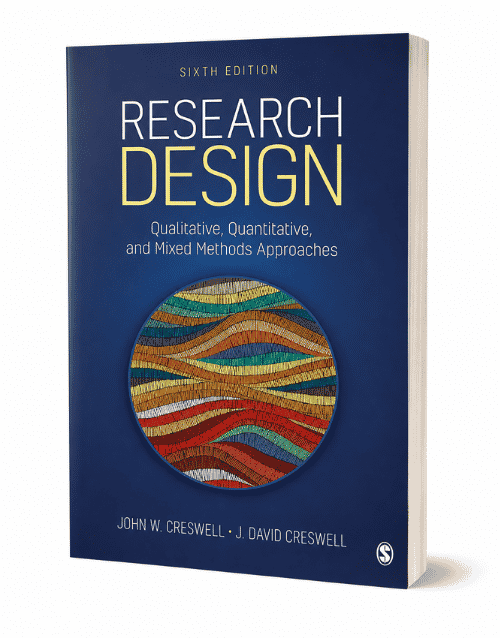




Choosing a research method shapes every stage of a study, from framing the research question to interpreting the findings. Research Design: Qualitative, Quantitative & Mixed Methods 6th Edition (9781071817940) provides a structured introduction to the decisions researchers make when planning and conducting academic research. Written by John W. Creswell and J. David Creswell, this textbook explores three major research approaches and explains how philosophical assumptions, research questions, data collection, and analysis influence the design of a study. It is a useful reference for students, graduate researchers, instructors, and professionals developing research proposals or conducting investigations.
Qualitative research focuses on understanding experiences, perspectives, meanings, and social processes through approaches such as interviews, observations, and document analysis. Quantitative research, by contrast, examines measurable variables using numerical data, statistical analysis, and structured research designs. The book explains the characteristics of these approaches and helps readers understand how their purposes, assumptions, and procedures differ. This distinction is important when selecting a method that fits the research problem rather than choosing a technique simply because it is familiar.
Mixed methods research brings qualitative and quantitative approaches together within a single study. Instead of treating numerical findings and descriptive evidence as unrelated sources, researchers can consider how the two forms of data complement one another and contribute to a fuller understanding of a research question. The sixth edition addresses the logic behind these methodological choices, helping readers consider when combining approaches may be appropriate and how research design affects the interpretation of results.
Research planning also involves more than deciding which data to collect. Researchers must define a problem, review relevant literature, establish a purpose, formulate research questions or hypotheses, and select procedures that support the study’s objectives. Ethical considerations, the role of theory, the researcher’s philosophical worldview, and the practical demands of data collection all influence the final design. By connecting these decisions within a broader methodological framework, the textbook helps readers approach research as a coordinated process rather than a collection of disconnected tasks.
The book is relevant across disciplines, including education, psychology, social sciences, health research, business, and related academic fields. Undergraduate and postgraduate students can use it to understand research methodology and prepare proposals, while doctoral candidates may consult it when developing a dissertation or thesis design. Instructors can also draw on its comparative treatment of research approaches when teaching methodology courses. Its value lies in explaining the reasoning behind research decisions, not simply listing procedures to follow.
For anyone seeking Research Design: Qualitative, Quantitative & Mixed Methods 6th Edition (9781071817940), this textbook offers a foundation for comparing research approaches and making informed methodological choices. It can support coursework, proposal development, independent study, and the planning of empirical investigations. Readers who need guidance on structuring a study, aligning research questions with suitable methods, or understanding how qualitative and quantitative evidence can work together will find its subject matter relevant to these tasks. Before ordering, check the product details to confirm the sixth edition, publication format, and ISBN 9781071817940 match the version required for your course or research project.
There are no reviews yet.