

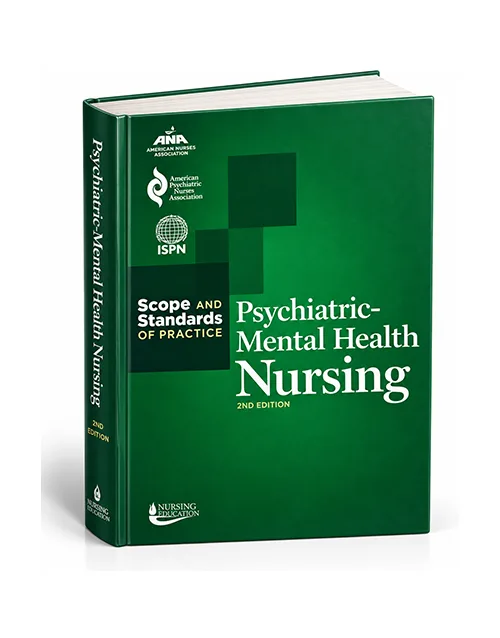


Psychiatric-Mental Health Nursing: Scope and Standards of Practice, Second Edition
Psychiatric-Mental Health Nursing: Scope and Standards of Practice, 2nd Edition is an authoritative professional nursing reference developed through collaboration between the American Nurses Association (ANA), the American Psychiatric Nurses Association (APNA), and the International Society of Psychiatric-Mental Health Nurses (ISPN). Published by Nursesbooks in 2014, this publication defines the professional responsibilities, scope of practice, and competency expectations associated with psychiatric-mental health nursing.
Psychiatric-mental health nursing is a specialized field focused on promoting mental health, assessing behavioral and emotional concerns, supporting people experiencing mental disorders, and providing appropriate nursing interventions. Nurses working in this specialty require a clear understanding of professional responsibilities, ethical considerations, clinical assessment, therapeutic communication, treatment planning, and standards of professional performance.
This second edition provides an organized framework for understanding what psychiatric-mental health nurses do, where they practice, how they deliver care, and what professional competencies are expected across different practice levels and healthcare settings.
Understand the Scope of Psychiatric-Mental Health Nursing Practice
The book begins by explaining the scope of psychiatric-mental health nursing and the development of the specialty. It examines the history and evolution of psychiatric nursing, the origins of advanced practice psychiatric-mental health nursing, and the changing responsibilities of professionals working in this field.
Readers can explore the definition of psychiatric-mental health nursing and understand how the specialty contributes to mental health promotion, assessment, diagnosis, treatment, and recovery-oriented care.
The publication also considers current issues and trends affecting psychiatric nursing, including the prevalence of mental disorders across the lifespan, substance use disorders and their comorbidities, and the mental health needs of children and older adults.
Explore Current Issues and Trends in Mental Healthcare
Mental healthcare is influenced by changing patient needs, healthcare systems, social conditions, and approaches to treatment. The textbook discusses important developments affecting psychiatric-mental health nursing and the responsibilities of nurses in different care environments.
Topics include disparities in mental health treatment and opportunities to work with consumers in promoting recovery and wellness. The book also examines the structure of a person-centered, recovery-oriented public healthcare model and the importance of coordinated efforts in mental health services.
This material helps nurses understand the broader healthcare environment in which psychiatric nursing takes place and how professional practice can contribute to accessible, respectful, and effective mental health services.
Understand the Phenomena of Concern in Psychiatric Nursing
The publication explores the major phenomena of concern for psychiatric-mental health nurses. These concerns provide a framework for understanding the experiences, needs, and health conditions that influence psychiatric nursing assessment and intervention.
Readers can develop a clearer understanding of the specialty’s focus and how nurses use professional knowledge, clinical judgment, therapeutic approaches, and evidence to support people experiencing mental health challenges.
Explore Psychiatric-Mental Health Clinical Practice Settings
Psychiatric-mental health nurses provide care in different clinical, community, and healthcare environments. The book examines the settings in which this nursing specialty operates and the professional considerations associated with different practice environments.
It also discusses different levels of psychiatric-mental health nursing practice and other specialized areas within the profession. This helps readers understand how responsibilities and competencies may vary according to education, experience, practice role, and clinical setting.
Understand the Ethical Foundations of Psychiatric Nursing
Ethical practice is a fundamental part of psychiatric-mental health nursing. Nurses regularly encounter complex situations involving patient autonomy, dignity, confidentiality, professional responsibility, and the protection of vulnerable individuals.
The book examines ethical issues in psychiatric-mental health nursing and the conceptual foundations that guide professional conduct. It provides a framework for understanding how ethical principles influence nursing decisions and professional relationships with patients, families, colleagues, and healthcare organizations.
Learn the Standards of Practice for Psychiatric-Mental Health Nursing
A central component of the publication is its six standards of practice. These standards describe the major professional activities involved in delivering nursing care and provide an organized framework for evaluating clinical responsibilities.
Standard 1: Assessment
Assessment involves collecting and analyzing information about a patient’s health status, experiences, and healthcare needs. In psychiatric nursing, this includes understanding mental health concerns, behavioral patterns, relevant history, and other factors that influence care.
Standard 2: Diagnosis
Diagnosis involves analyzing assessment information to identify actual or potential health problems that require nursing attention. This standard supports the use of professional judgment when identifying patient needs and developing an appropriate nursing approach.
Standard 3: Outcomes Identification
Outcomes identification focuses on establishing expected results of nursing care. It helps nurses determine what improvements or changes should be achieved and how patient progress can be evaluated.
Standard 4: Planning
Planning involves developing an individualized approach to nursing care. It connects identified patient needs with expected outcomes and the interventions required to support recovery, health promotion, and continued care.
Standard 5: Implementation
Implementation describes the delivery of planned nursing interventions. The publication expands this standard into specialized areas that reflect the different activities involved in psychiatric-mental health nursing.
These include coordination of care, health teaching and health promotion, consultation, prescriptive authority and treatment, pharmacological, biological and integrative therapies, milieu therapy, therapeutic relationships and counseling, and psychotherapy.
Standard 6: Evaluation
Evaluation involves determining whether nursing interventions have achieved the intended outcomes. It helps nurses assess patient progress, review the effectiveness of care, and identify changes that may be needed in the nursing plan.
Understand Standards of Professional Performance
In addition to clinical standards of practice, the book presents ten standards of professional performance. These standards address the behaviors, responsibilities, and professional competencies expected of psychiatric-mental health registered nurses.
The topics cover ethics, education, evidence-based practice and research, quality of practice, communication, leadership, collaboration, professional practice evaluation, resource utilization, and environmental health.
These areas emphasize that professional psychiatric nursing involves more than direct patient care. Nurses are also expected to maintain professional knowledge, contribute to healthcare quality, communicate effectively, collaborate with colleagues, and support safe practice environments.
Explore Education and Evidence-Based Nursing Practice
Education and continuing professional development are important for maintaining competent nursing practice. The publication addresses the professional expectations associated with education and the continued development of psychiatric-mental health nursing knowledge.
It also includes evidence-based practice and research as essential elements of professional performance. Nurses can understand the importance of using appropriate evidence, evaluating professional knowledge, and applying relevant research findings when making clinical decisions.
Develop Communication, Collaboration, and Leadership Skills
Psychiatric nursing depends on effective communication and professional collaboration. Nurses work with patients, families, physicians, therapists, social workers, and other healthcare professionals to coordinate appropriate services.
The publication identifies communication, leadership, and collaboration as formal standards of professional performance. These areas help define expectations for working effectively within healthcare teams and supporting coordinated patient care.
Understand Professional Practice Evaluation and Quality of Care
Maintaining professional standards requires ongoing evaluation of nursing practice. The book includes quality of practice and professional practice evaluation as important elements of professional accountability.
These standards support reflection on nursing performance, identification of areas for improvement, and continued development of professional competencies. They also reinforce the importance of providing appropriate and consistent care within psychiatric-mental health settings.
Explore Resource Utilization and Environmental Health
The publication recognizes that psychiatric-mental health nursing takes place within complex healthcare systems where available resources and environmental conditions can influence patient care.
Resource utilization and environmental health are included among the professional performance standards. These topics help nurses understand their responsibilities in using healthcare resources appropriately and supporting environments that contribute to safe and effective practice.
Who Should Read Psychiatric-Mental Health Nursing: Scope and Standards of Practice?
Psychiatric-Mental Health Nursing: Scope and Standards of Practice, Second Edition is suitable for registered psychiatric-mental health nurses, advanced practice psychiatric nurses, mental health nursing students, nursing educators, clinical supervisors, and healthcare professionals involved in psychiatric services.
It is particularly useful for nursing education, professional development, clinical orientation, in-service training, and reference collections. Healthcare organizations, nursing administrators, professional educators, and researchers may also benefit from its discussion of nursing responsibilities and professional standards.
Why Choose the Second Edition?
- Professional scope: Defines the roles and responsibilities of psychiatric-mental health nursing.
- Clinical standards: Presents six standards covering assessment, diagnosis, outcomes, planning, implementation, and evaluation.
- Professional performance: Includes ten standards addressing ethics, education, research, leadership, and collaboration.
- Specialty knowledge: Explores the history, development, and current issues affecting psychiatric nursing.
- Recovery-oriented care: Discusses person-centered approaches and opportunities to promote wellness.
- Multiple practice settings: Addresses professional roles and competencies across different levels and environments.
- Professional reference: Supports nursing education, training, practice review, and professional development.
About the Book
Title: Psychiatric-Mental Health Nursing: Scope and Standards of Practice
Edition: Second Edition
Organizations: American Nurses Association, American Psychiatric Nurses Association, and International Society of Psychiatric-Mental Health Nurses
Publisher: American Nurses Association / Nursesbooks
Publication Date: June 2014
Copyright Year: 2014
Print ISBN-13: 9781558105553
Format: Paperback / Softcover
Pages: 194 numbered pages
Language: English
For psychiatric-mental health nurses and nursing students seeking a professional reference on specialty practice, Psychiatric-Mental Health Nursing: Scope and Standards of Practice, Second Edition provides a structured explanation of psychiatric nursing responsibilities, clinical standards, professional performance, ethical practice, and the competencies expected across different healthcare settings.
Professional note: This is the 2014 second edition. Nursing standards and professional guidance may have changed since publication. Consult the latest applicable edition and current professional requirements when using standards for clinical practice.
There are no reviews yet.