

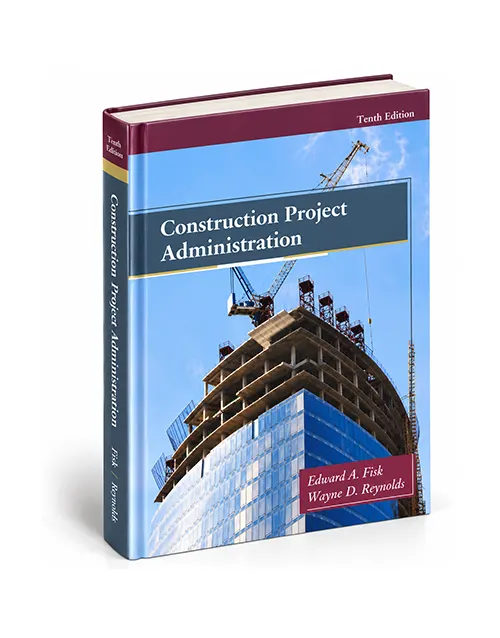


Construction Project Administration, 10th Edition
Construction Project Administration, 10th Edition by Edward R. Fisk and Wayne D. Reynolds is a practical construction management textbook explaining how building and infrastructure projects are managed and administered from initial design through construction and final closeout. Published by Pearson, this book examines the responsibilities, procedures, documentation, and management techniques required to coordinate construction projects successfully.
Successful construction projects require collaboration between contractors, architects, engineers, owners, project representatives, and other stakeholders. Coordinating these participants involves planning, communication, scheduling, contract administration, safety management, financial control, and problem-solving. This textbook presents these responsibilities in a structured sequence that follows the lifecycle of a construction project.
Understand Construction Project Delivery Systems
The book introduces construction project delivery systems and explains how projects are organized and administered. Readers can explore the relationships between owners, contractors, architects, engineers, and other participants involved in the delivery of a construction project.
Understanding project delivery is important because the responsibilities and communication processes of each participant depend on the contractual and organizational structure of the project. The textbook helps students understand how a workable project administration system supports cooperation and effective construction team operations.
Learn Responsibility and Authority in Construction Projects
Clear responsibility and authority are essential for coordinating construction activities. The textbook examines the roles and responsibilities associated with project administration and explains how authority is distributed among the different participants.
Readers can develop an understanding of how project responsibilities are assigned, how decisions are communicated, and how participants coordinate their work. These principles help reduce confusion and support accountability throughout the construction process.
Understand the Resident Project Representative’s Responsibilities
The resident project representative plays an important role in observing and administering construction activities on behalf of the project organization. The book includes dedicated coverage of resident project representative office responsibilities.
This subject introduces the administrative duties, coordination activities, and project information involved in construction oversight. It helps readers understand the importance of maintaining organized records, communicating project developments, and coordinating activities with contractors and other participants.
Explore Construction Documentation, Records, and Reports
Documentation is one of the most important parts of construction project administration. Projects generate a large amount of information involving contracts, specifications, drawings, correspondence, progress reports, changes, payments, and other records.
The book explains the role of documentation, records, and reports in maintaining an organized project history. Readers can understand why accurate records are important for communication, project monitoring, accountability, and resolving disagreements.
Learn Electronic Project Administration
Modern construction projects depend on digital tools to manage information and coordinate project activities. The textbook includes a complete chapter on electronic project administration.
It examines computer applications used in procurement and project administration and explains how electronic reporting and digital devices contribute to construction operations. These topics help readers understand the importance of technology in organizing information, communicating updates, and managing project documentation.
Understand Specifications and Construction Drawings
Construction specifications and drawings communicate the requirements of a project. The book examines how these documents are prepared, interpreted, and used during construction administration.
Readers can learn about the relationship between written specifications and construction drawings and why both must be understood when coordinating construction activities. This knowledge is important for architects, engineers, contractors, and project administrators responsible for ensuring that work follows the documented requirements.
Study Contract Administration, Construction Laws, and Labor Relations
Contract administration involves monitoring contractual responsibilities and managing the documentation and communication associated with construction agreements. The textbook explores how specifications are applied during contract administration and discusses construction laws and labor relations.
These subjects help readers understand the legal and contractual environment in which construction projects operate. The book also incorporates case law examples and sample documentation forms to connect legal concepts with practical construction administration situations.
Understand Construction Safety and Risk Management
Construction safety is a major responsibility in project administration. The textbook examines construction safety practices and the administrative considerations involved in maintaining safe project operations.
It also covers risk allocation and liability sharing, introducing the responsibilities and contractual considerations associated with construction risks. Understanding these topics helps students recognize how safety obligations and risk-related decisions influence project planning and execution.
Learn Meetings, Negotiations, and Project Communication
Construction projects involve frequent coordination meetings and negotiations between multiple stakeholders. The textbook explains the role of meetings and negotiations in managing project activities and resolving issues.
Effective communication allows project participants to discuss progress, address concerns, coordinate responsibilities, and make decisions. The material helps readers understand how structured communication supports cooperation and helps keep construction projects organized.
Explore Preconstruction Operations and Construction Planning
Planning before construction begins is essential for establishing a workable project strategy. The book covers preconstruction operations and planning for construction, helping readers understand the activities that prepare a project for execution.
These subjects include the coordination of resources, responsibilities, schedules, and project requirements. Proper preconstruction planning helps identify potential issues and provides a framework for organizing construction work.
Understand Construction Scheduling and Project Operations
Scheduling is an important management activity because construction tasks depend on the availability of labor, materials, equipment, and completed work from previous stages. The textbook covers construction management planning and CMP scheduling for construction.
It also explores construction operations and explains how planned activities are coordinated during project execution. These topics help students understand the relationship between scheduling, project progress, resource coordination, and the overall management of construction work.
Study Value Engineering and Measurement and Payment
Value engineering examines opportunities to improve project value while considering functional requirements and project constraints. The textbook introduces this subject as part of construction project administration.
Measurement and payment are also important because they establish how completed work is evaluated and how payments are administered. Understanding these procedures helps project participants manage financial documentation and monitor the relationship between construction progress and project costs.
Manage Construction Materials and Workmanship
Construction quality depends on the materials used and the workmanship involved in completing the project. The book covers construction materials and workmanship, helping readers understand their role in meeting project specifications and requirements.
These principles are relevant to inspection, project documentation, construction quality, and coordination between contractors and project representatives.
Understand Changes, Extra Work, Claims, and Disputes
Construction projects may experience changes in scope, additional work requirements, unexpected conditions, and disagreements between participants. The textbook explains how changes and extra work are handled during project administration.
It also covers claims and disputes, introducing the documentation and administrative processes associated with construction disagreements. These subjects help readers understand why accurate records, clear contractual responsibilities, and effective communication are important when managing project changes.
Learn Construction Project Closeout
Project closeout is the final stage of construction administration. The book examines project completion procedures and the administrative responsibilities associated with bringing construction work to a formal conclusion.
Understanding closeout helps students recognize that completing physical construction is only one part of finishing a project. Documentation, final coordination, contractual requirements, and outstanding project matters must also be addressed.
Practical Examples and Professional Learning
Construction Project Administration, 10th Edition uses straightforward explanations and numerous real-world examples to connect construction management principles with everyday professional activities. It incorporates case law examples, sample documentation forms, and completed examples to help readers understand how administrative procedures are applied.
The book also reflects developments in construction technology, electronic administration, design-build project delivery, environmental considerations, and safety management. These subjects help students connect traditional construction administration principles with modern industry practices.
Who Should Read Construction Project Administration?
This textbook is suitable for construction management students, civil engineering students, construction administration students, project managers, contractors, architects, engineers, and construction professionals.
It is particularly useful for courses involving construction project management, construction administration, contract administration, project scheduling, and construction operations. Professionals can also use it as a reference when reviewing project documentation, stakeholder responsibilities, claims, negotiations, and closeout procedures.
Why Choose the Tenth Edition?
- Complete project lifecycle: Covers project administration from design through construction and closeout.
- Project delivery: Explains the responsibilities and relationships of construction stakeholders.
- Documentation: Covers project records, reports, specifications, drawings, and electronic administration.
- Contract and legal topics: Explores construction laws, labor relations, risk allocation, and liability.
- Planning and scheduling: Includes preconstruction operations, construction planning, and CMP scheduling.
- Financial administration: Covers value engineering, measurement, payment, and construction changes.
- Practical learning: Includes real-world examples, case law, and sample documentation forms.
About the Book
Title: Construction Project Administration
Edition: Tenth Edition
Authors: Edward R. Fisk and Wayne D. Reynolds
Publisher: Pearson
Publication Date: July 8, 2013
Copyright Year: 2014
ISBN-13: 9780132866736
Format: Hardcover
Pages: 381 according to the bibliographic catalog record
For students and professionals seeking a practical reference on construction project management and administration, Construction Project Administration, 10th Edition provides structured guidance on project delivery, documentation, contracts, safety, scheduling, financial administration, claims, and project completion.
There are no reviews yet.